
Market Insights
Should I Have a Home Inspection? And Which Inspections Do I Really Need?
April 8, 2026
Market Insights
April 8, 2026
Buying a home is one of the biggest financial decisions you’ll ever make—and while it’s easy to fall in love with the kitchen or the backyard, what’s behind the walls can make or break your investment. That’s why home inspections are not just important—they’re essential.
But how do you know which inspections you actually need? And are they really worth the cost?
This post breaks down everything you need to know before closing on a property—from why inspections matter to which ones are most commonly recommended.
🏠 What Is a Home Inspection?
A home inspection is a professional, non-invasive assessment of a property’s condition. It’s typically ordered by the buyer after an offer is accepted but before closing and is designed to uncover issues that could impact your safety, finances, or decision to move forward.
📋 A standard home inspection covers the major systems and structural components of the home—but additional, specialized inspections may be needed depending on the property’s location, age, and features.
✅ Should You Have a Home Inspection?
Yes – Always. Even if the home looks perfect, there could be hidden problems that only a licensed inspector can identify.
Here’s why a home inspection is worth it:
💡 Waiving a home inspection to “win” in a competitive market can lead to costly regrets.
🔍 What Does a Standard Home Inspection Cover?
A general home inspection includes:
After the inspection, you’ll receive a full report detailing any issues found, along with photos and recommendations.
🔧 What Additional Inspections Should You Consider?
Depending on the property, you may want to order specialized inspections in addition to the standard home inspection.
1. Radon Inspection
2. Termite or Wood-Destroying Organism (WDO) Inspection
3. Septic Inspection
4. Mold Inspection
5. Asbestos Inspection
6. Lead Paint Inspection
7. Chimney & Fireplace Inspection
8. Pool or Spa Inspection
🛠️ Your real estate agent and home inspector can help you decide which inspections are worth the investment for your specific property.
💰 How Much Do Home Inspections Cost?
While it might feel like a lot upfront, the cost of skipping an inspection can be much higher—in repairs, safety risks, or buyer’s remorse.
📉 Can You Use the Inspection to Negotiate?
Absolutely. After the inspection, you can:
📄 A strong inspection contingency gives you flexibility and protection.
🚫 When Should You Skip an Inspection?
Almost never.
Even in a competitive seller’s market, waiving an inspection is risky unless:
Still, many buyers choose to do an “informational only” inspection—where you won’t ask the seller for repairs but still get the info you need to make an informed decision.
Final Thoughts
A home inspection is your best defense against hidden problems, costly repairs, and buyer’s regret.
Knowing which inspections to order (and why) ensures you’re not just buying a beautiful home—but a safe, sound, and smart investment.
Need a trusted local inspector?
I work with some of the most reliable professionals in the area. Let’s make sure your next home is the right one—for the right reasons.
📩 Contact me today for a personalized home buying consultation!

A Realtor's take on today's mortgage rates and the opportunities they're creating for both buyers and sellers in New London County.

A Realtor's guide to the best fall events in Niantic and Waterford, CT — pumpkin patches, harvest festivals, and foliage walks worth the drive this autumn.
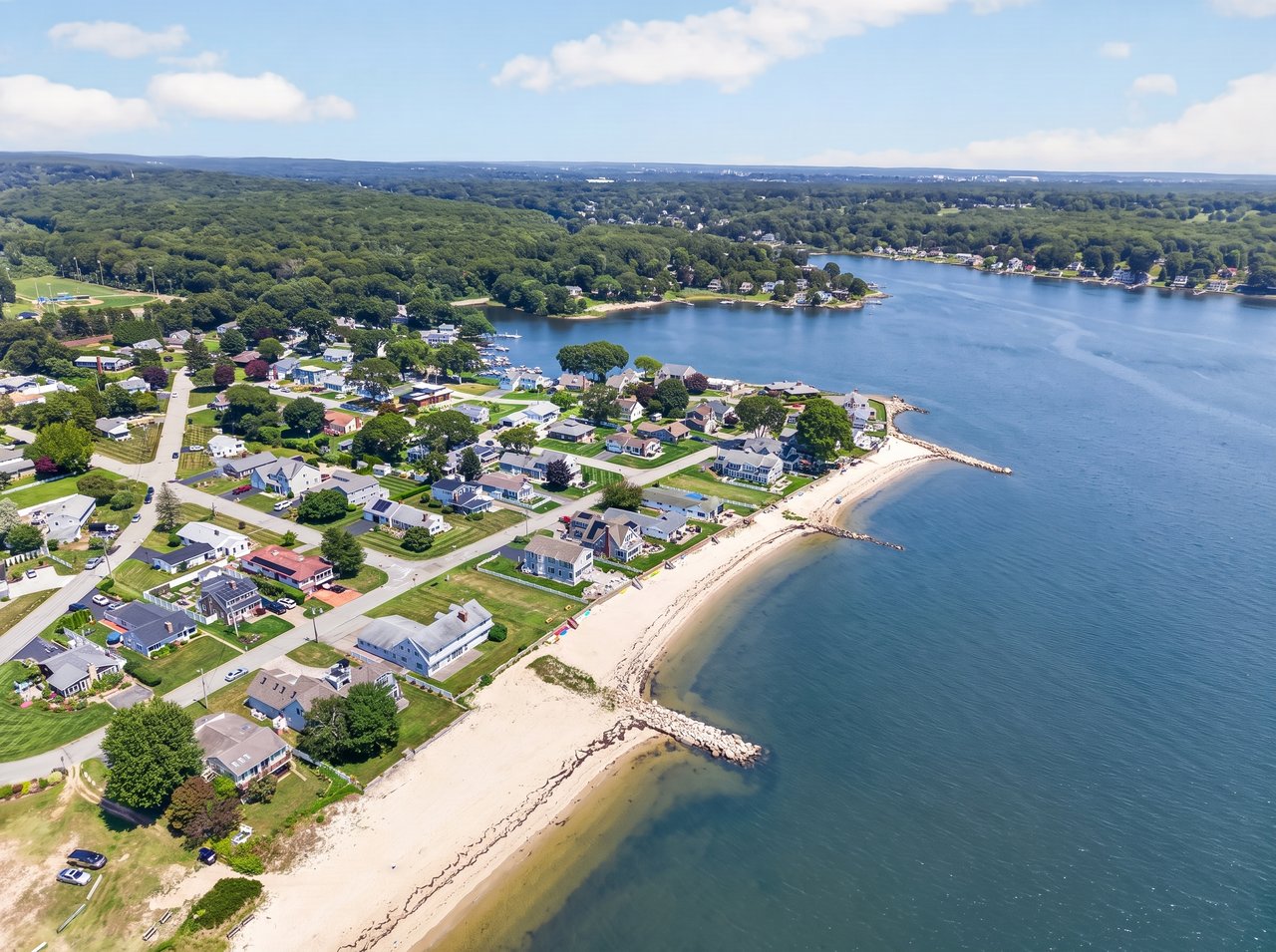
Current market data for Waterford and New London County, explained by a Realtor who works this coastline every day.
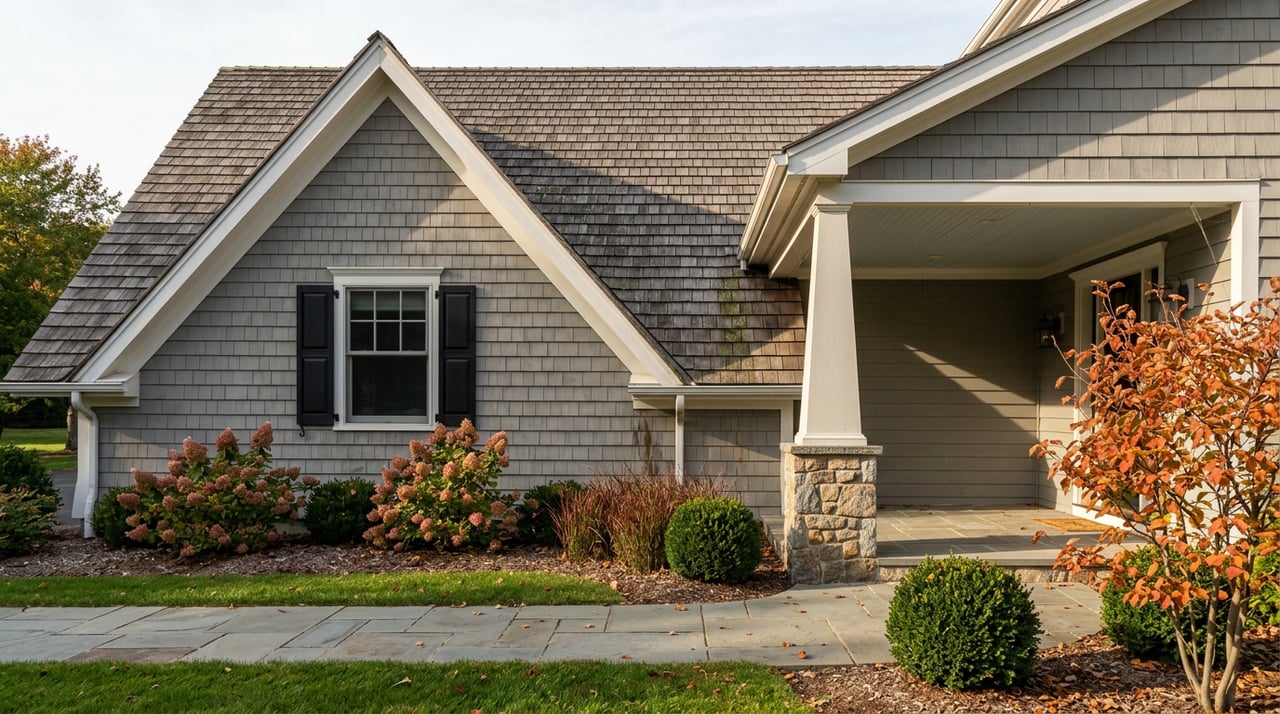

Real estate decisions deserve thoughtful strategy and professional support. Christopher Maynard brings dedication, local knowledge, and a friendly approach to every client relationship. Together, you’ll move forward with clarity and confidence.

Christopher Maynard Real Estate
132 BOSTON POST RD EAST LYME, CT 06333