Market Insights
Selling A Waterfront Or Near-Water Home In Waterford
June 18, 2026
Market Insights
June 18, 2026
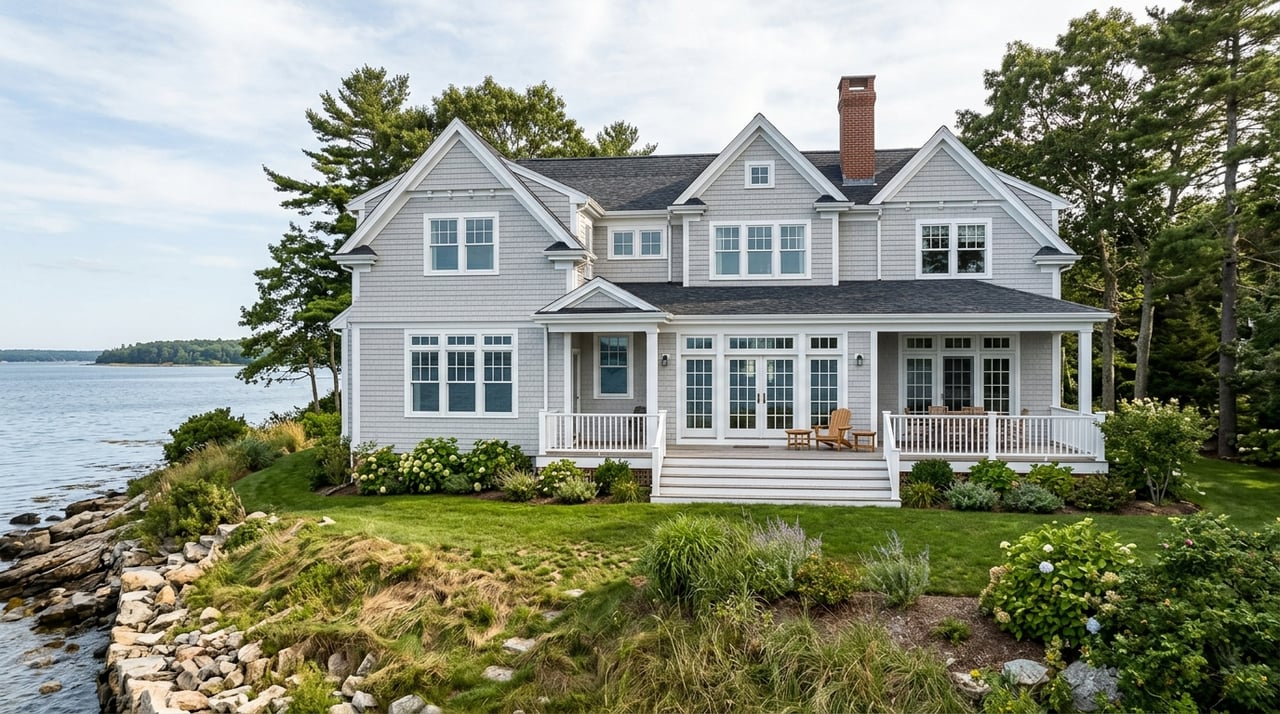
Thinking about selling a waterfront or near-water home in Waterford? You may have more buyer interest than a typical listing, but you also have more details to explain well. Buyers tend to look closely at views, access, flood-zone questions, and shoreline maintenance, so the homes that stand out are usually the ones with a clear story and solid preparation. If you know what matters most before you list, you can market your property with more confidence and fewer surprises. Let’s dive in.
Waterford offers a setting that naturally draws buyers who want to live near the water. The town notes that it is surrounded by water on three sides and includes five town beaches, two state parks, and boating or paddle-sports access from Mago Point.
That local context matters when you sell. Even if your home is not directly on the shoreline, proximity to beaches, launch points, rivers, or Long Island Sound can shape how buyers see the lifestyle and long-term appeal of the property.
Waterford also sits within the Thames River Watershed and the Southeast Coast Watershed. Because many ponds, streams, wetlands, and waterways drain toward the Thames River, the Niantic River, and Long Island Sound, drainage and wetlands can be part of the conversation for many properties, not just true waterfront homes.
For many buyers, the first question is simple: What can I actually see from the house? Research cited in the report shows that water-view value is highly site-specific, with premiums varying widely based on the quality of the view.
That means a sweeping direct view, a framed partial view, or a seasonal glimpse can be perceived very differently. The angle of the view, the rooms that capture it, and anything that blocks it all play a role in how buyers respond.
If your home has a view, make it easy to experience. Clean windows, uncluttered rooms, and thoughtfully arranged outdoor spaces can help buyers focus on the water-facing features that make your property special.
Buyers also want to understand what kind of access comes with the property. In Connecticut, the waters and submerged lands below mean high water are held in public trust, and the seaward limit of private ownership is mean high water.
In practical terms, that means buyers may value water access, a beach experience, or shoreline setting without assuming exclusive control over the shoreline itself. If your property includes access features, clear and accurate explanation matters.
Water-adjacent buyers are often more informed than sellers expect. Connecticut’s residential property condition report requires sellers of most one-to-four unit homes to disclose whether the property is in a flood hazard area or inland wetlands area.
This does not mean every near-water home has the same level of risk. It does mean buyers are likely to ask direct questions early, and clear answers can help reduce uncertainty.
Shoreline homes often face more wear from salt air and moisture. FEMA guidance notes that in coastal areas, airborne salt and moisture can speed up corrosion of metal connectors and fasteners.
That is one reason buyers may look carefully at decks, railings, exterior hardware, docks, and visible repair history. A home that shows consistent upkeep can feel more trustworthy to a buyer comparing several shoreline options.
One of the best things you can do before listing is separate the property into a few simple categories buyers can understand. Start with the view, then explain the access, then address flood or wetlands questions, and finally organize any records tied to shoreline features or repairs.
This approach helps your listing feel easier to evaluate. It also keeps buyers from filling in blanks on their own.
If your property has a dock, mooring, seawall, shoreline stabilization, drainage work, or flood-related improvements, buyers may ask for supporting paperwork. Connecticut’s coastal permit program regulates work in tidal wetlands and in tidal, coastal, or navigable waters, including structures and certain mitigation work.
The research report also notes that existing docks are not automatically grandfathered. That makes records, approvals, and maintenance documentation especially useful when you are preparing to sell.
Waterford has several local bodies that can matter for shoreline properties, including the Harbor Management Commission, the Flood & Erosion Control Board, the Shellfish Commission, and the Waterford/East Lyme Shellfish Commission.
If your property includes a mooring, dock, shellfish-related access, or another shore-access feature, it is smart to confirm what approvals apply and what records you have on hand. A cleaner paper trail often leads to a smoother conversation with buyers.
Connecticut’s property condition report is clear that the disclosure is not a warranty and not a substitute for inspections. It also tells buyers to verify building permits and certificates of occupancy with the municipality.
For you as a seller, that means accuracy matters. If you have completed drainage work, shoreline repairs, or flood-related updates, gather as much documentation as possible before your home hits the market.
Waterford buyers are often shopping for more than square footage. They may be looking for beach access, boating convenience, paddle-sports access, or simply the daily feel of living close to the shoreline.
That does not mean overpromising. It means showing the home in a way that connects the property to the real Waterford setting around it.
A view is only valuable if buyers can actually feel it during a showing or in the listing media. The strongest presentation usually highlights the rooms and outdoor areas where the water experience is easiest to enjoy.
This is where preparation matters. Light staging, open sightlines where appropriate, and strong photography or drone content can help communicate the property’s relationship to the water more clearly.
If the home is waterfront, near water, or offers a partial seasonal connection to the shoreline lifestyle, the listing should explain that accurately. Buyers respond well to clear distinctions, especially in a market where “waterfront” and “water view” can mean very different things.
Clear language builds trust. It also helps attract buyers who are a genuine fit for the property.
Buyers know shoreline homes can involve extra maintenance. If your home has been well cared for, give that story structure with records, timelines, and visible signs of upkeep.
A home does not need to be perfect to make a strong impression. It needs to feel honest, understood, and well presented.
Some concerns come up often with waterfront and near-water sales in Waterford. Being ready for them can help keep your transaction on track.
When these topics are addressed early and clearly, buyers tend to feel more comfortable moving forward.
Waterfront and near-water homes usually require a more thoughtful listing strategy than a typical inland property. The value story is often tied to details that are visual, regulatory, and highly specific to the site.
That is why pricing, presentation, and communication need to work together. You are not just selling a house. You are helping buyers understand a property they may love, but also want to evaluate carefully.
In Waterford, that balance matters. A strong sale often comes from showing the view, explaining the access, organizing the documents, and presenting the home with confidence from day one.
If you are getting ready to sell a waterfront or near-water home in Waterford, working with someone who understands shoreline presentation, local buyer questions, and the importance of clear communication can make the process feel much more manageable. When you’re ready for a thoughtful plan, reach out to Christopher Maynard for knowledgeable, responsive guidance.








Real estate decisions deserve thoughtful strategy and professional support. Christopher Maynard brings dedication, local knowledge, and a friendly approach to every client relationship. Together, you’ll move forward with clarity and confidence.

Christopher Maynard Real Estate
132 BOSTON POST RD EAST LYME, CT 06333